
Cadet Skills In Real Life
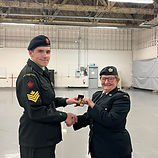
Beyond the Uniform: How Cadet Skills Translate Into Real Life
When a cadet first joins 1705 Royal Canadian Army Cadets, they might come looking for structure, adventure, or a sense of belonging. But what they find, often without realizing it right away, are the building blocks for a lifetime of success.
The skills learned through the Cadet Program go far beyond the parade square or field exercise. They’re the same skills that universities, employers, and communities value most: confidence, discipline, leadership, and the ability to thrive under pressure. As cadets “age out” of the program at 18, they carry these lessons forward into every part of their adult lives, often crediting their cadet years as the foundation for who they become.

Leadership and Confidence That Last a Lifetime
Leadership is one of the most profound lessons cadets learn, not through lectures, but through lived experience. Every training night, weekend exercise, and event asks cadets to step up, take initiative, and be accountable for themselves and their peers.
They learn how to delegate, communicate, and motivate others, essential skills for every career path, whether it’s business, education, healthcare, trades, or the military. Many cadets find that these leadership lessons give them an early edge when they enter the workforce or post-secondary studies, because they’re already comfortable managing responsibility, time, and people.
Confidence, too, comes from experience. Marching in formation, presenting in front of peers, or mastering a new skill all contribute to a strong sense of self-assurance that helps cadets succeed long after they leave the program.

Discipline and Accountability
Cadets quickly learn that success doesn’t come from shortcuts, it comes from showing up, staying organized, and pushing through challenges.
The discipline developed through routine, structure, and commitment to the corps helps them build resilience and consistency in their personal and professional lives. Whether it’s meeting deadlines, balancing busy schedules, or maintaining a strong work ethic, former cadets often find they have the focus and perseverance to follow through where others might give up.
It’s no coincidence that employers, educators, and community leaders consistently praise former cadets for their reliability and initiative.

Teamwork and Communication
In every exercise, cadets are reminded that no one succeeds alone. They learn to rely on one another, to listen, to cooperate, and to problem-solve together. These lessons in teamwork foster empathy, understanding, and adaptability, all of which are critical for success in the modern world.
The ability to work with diverse groups, lead by example, and communicate clearly are qualities that stand out in job interviews, university group projects, and community involvement. Cadets learn to respect the contributions of others while still stepping forward when leadership is needed, a balance that makes them invaluable in any setting.

Practical Skills and Certifications
Beyond personal growth, the Cadet Program provides tangible, transferable skills that can open doors long after aging out.
Cadets gain experience in areas like:
First Aid and Emergency Response- foundational life-saving knowledge valuable in any situation.
Navigation and Outdoor Survival- practical competence in planning, preparation, and decision-making.
Marksmanship and Range Safety- precision, focus, and responsibility.
Drill, Fitness, and Deportment- discipline, presentation, and professionalism.
Expedition Leadership- endurance, teamwork, and leadership under pressure.
Many of these skills come with certifications recognized by employers or educational institutions, helping graduates stand out in applications and interviews.

Community Service and Citizenship
One of the most meaningful parts of cadet life is the opportunity to give back. Through parades, civic events, fundraisers, and volunteer projects, cadets learn what it means to serve their community, not for recognition, but for pride and purpose.
That sense of civic responsibility often continues into adulthood. Many former cadets go on to become volunteers, first responders, community organizers, or mentors. They understand the value of service and the power of teamwork because they’ve lived it.

Friendships and Mentorship That Endure
Beyond the skills and achievements, what most cadets remember years later are the people, the friends who became family, and the mentors who helped shape their character.
The bonds formed in the cadet corps often last for decades. They’re built on shared challenges, teamwork, and unforgettable experiences. These connections often evolve into lifelong friendships, networking opportunities, and professional support systems that extend well beyond the cadet hall.

A Launchpad for Every Future
Some cadets choose to continue into the Canadian Armed Forces, where their experience gives them a strong head start. Others take the lessons they’ve learned and apply them to civilian life, excelling in fields as diverse as business, engineering, trades, teaching, healthcare, and public service.
No matter where life takes them, former cadets share one truth: the Cadet Program gave them confidence in who they are and the tools to lead wherever they go.
For parents considering enrolling their children, and for youth wondering what they might gain, know that this program builds more than leaders in uniform. It builds citizens of character, resilience, and heart.


Comments